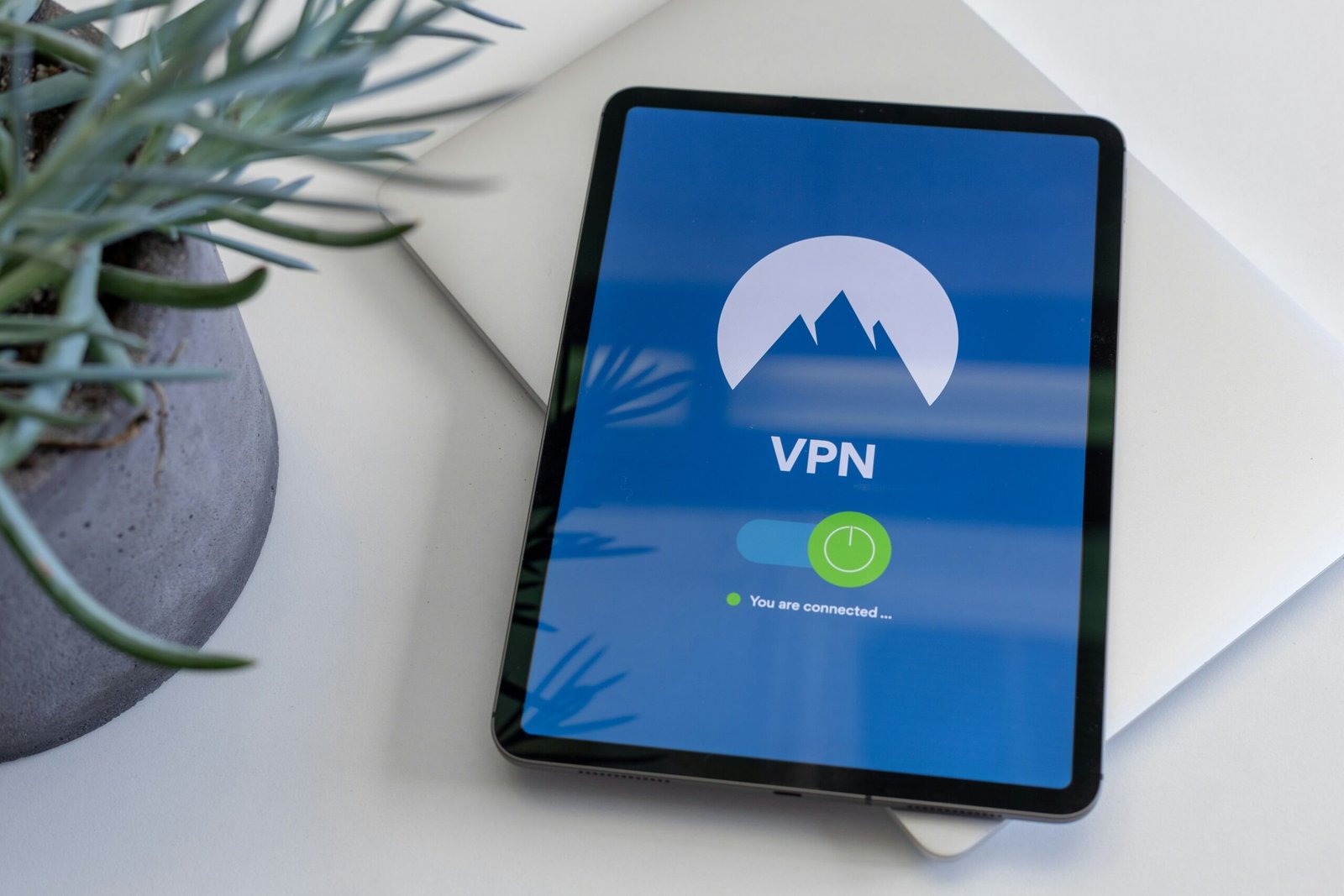
In today’s digital age, safeguarding your online privacy and security is more critical than ever. A Virtual Private Network (VPN) is an essential tool that encrypts your internet traffic and masks your IP address, protecting you from hackers, ISPs, and other third parties. Whether you’re gaming, streaming, torrenting, or working from home, a VPN can enhance your security—but only if used correctly. This article outlines VPN security best practices to help you stay safe online, while answering common questions like “Do I need a VPN with Real Debrid?” and “Can a VPN bypass WiFi restrictions?”
Why VPN Security Matters
A VPN creates a secure tunnel between your device and the internet, routing your traffic through a remote server. This process hides your IP address and encrypts your data, offering:
- Privacy: Shields your online activity from tracking.
- Security: Protects sensitive information, especially on public Wi-Fi.
- Access: Unlocks geo-restricted content for streaming or gaming.
However, not all VPNs are equal, and poor practices can undermine their benefits. Let’s dive into the best ways to secure your VPN experience.
Top VPN Security Best Practices
1. Select a Trusted VPN Provider
Your VPN provider is the cornerstone of your security. Choose one with:
- A no-logs policy to ensure your activity isn’t recorded.
- A reputable track record (e.g., NordVPN, ExpressVPN, or Proton VPN).
- Avoid free or modded VPNs like “Gaming Master VPN Mod APK” or “Norton Secure VPN APK,” which may harbor malware or log data.
2. Prioritize Strong Encryption
Encryption keeps your data unreadable to outsiders. Look for:
- OpenVPN, IKEv2/IPSec, or WireGuard protocols.
- AES-256 encryption, the industry standard.
For example, an “IKEv2/IPSec PSK VPN server free” offers robust security and speed, ideal for mobile users.
3. Enable a Kill Switch
A kill switch cuts your internet connection if the VPN fails, preventing leaks. This is vital for tasks like “using VPN for torrenting” or gaming on a PS5.
4. Update Your VPN Regularly
Outdated software can expose vulnerabilities. Enable auto-updates or manually check for new versions to avoid issues like “Avast Secure Line VPN not working for torrents.”
5. Steer Clear of Free or Modded VPNs
Free VPNs often compromise security by logging data, while modded APKs like “Secure VPN Mod APK” can introduce risks. Opt for trusted free tiers like Proton VPN’s “free VPN for torrenting” instead.
6. Use Multi-Factor Authentication (MFA)
If available, enable MFA to secure your VPN account against unauthorized access.
7. Switch Servers Frequently
Regularly changing servers enhances anonymity and can resolve issues like “Amazon Prime not working with VPN” or “HBO Max VPN not working.”
8. Protect Yourself on Public Wi-Fi
Public Wi-Fi is notoriously insecure. Use tools like “Trend Micro Mobile Security VPN” or “My Mobile Secure VPN” to stay safe on the go.
9. Test for DNS Leaks
DNS leaks reveal your real IP address. Use online tools to confirm your VPN is leak-free.
10. Know VPN Limits
VPNs boost privacy but aren’t foolproof. Pair them with other tools for maximum protection.
VPN Best Practices for Specific Scenarios
Gaming
Gamers often ask, “Can you get a VPN on PS5?” or “How to connect VPN to PS5?” While PS5 lacks native VPN support, you can:
- Configure a VPN on your router (consider “policy-based vs route-based VPN”).
- Share a VPN via a PC.
For mobile gaming, “best VPN for Apex Legends Mobile” or “good free VPN for gaming” can reduce lag and unlock regions, though free options like “free VPN for Meta Quest 3” may lack speed.
Streaming
VPNs unlock geo-restricted content, but problems like “VPN not working with Amazon Prime” or “YouTube TV not working with VPN” arise. Try:
- Switching servers.
- Using Smart DNS for alternatives like “watch UK TV abroad free without VPN” or “how to watch Jio Cinema in USA without VPN.”
Torrenting
For “is Proton VPN good for torrenting?” or “best VPN for torrenting free,” prioritize:
- No bandwidth caps.
- P2P-friendly servers.
Avoid unreliable free options like “free VPN for torrents” due to security risks.
Remote Work
“VPN issues working from home” like “connect capability is unavailable because the VPN service is unavailable” or “Covenant Eyes VPN keeps disconnecting” can disrupt workflows. Troubleshoot by:
- Checking your connection.
- Using enterprise VPNs like “Pulse Secure VPN client” or “Checkpoint Security VPN client.”
Mobile Security
Mobile users need VPNs for public Wi-Fi and geo-unlocking. “How to turn on VPN Opera GX mobile” or “VPN for Opera GX mobile” are popular queries. Enable auto-connect and fast protocols like “mobile VPN with SSL client.”
Betting Platforms
“Can I use DraftKings with a VPN?” or “How to use PrizePicks with VPN?” Many betting platforms block VPNs, so test servers carefully to avoid bans.
Advanced VPN Tips
- Router Setup: Use “Unraid route Docker through VPN” for network-wide protection.
- Protocol Choice: “IKEv2/IPSec PSK VPN server free” balances speed and security.
- Enterprise Features: “Mobile config payload that handles SSO in Fortinet VPN” simplifies secure access.
Common VPN Questions Answered
- “Do I need a VPN with Real Debrid?” / “Do I need a VPN for Usenet?”: Not mandatory, but recommended for privacy.
- “Can a VPN bypass an IP ban?” / “Can a VPN bypass WiFi restrictions?”: Yes, by changing your IP.
- “How to turn off VPN on Mac?”: Go to System Preferences > Network > VPN > Disconnect.
- “Does FuboTV work with VPN?”: Yes, with compatible servers.
- “Atlas VPN Black Friday sale”: Check provider sites for seasonal discounts.
Conclusion
Adhering to VPN security best practices ensures your online safety and privacy. Choose a reliable provider, enable key features, and tailor your VPN use to your needs—whether gaming, streaming, or working remotely. Stay secure and explore the digital world confidently!